The Numbers
Toyota sold 27,336 Land Cruisers in the United States during the first half of 2025.
In the same period of 2024 — the model’s first year back after a three-year absence — Toyota moved just 3,461 units. That is a 689.8 percent increase year-on-year, one of the sharpest single-model sales surges recorded in the modern US SUV market.
The Land Cruiser was discontinued in the US after 2021, when the aging J200 generation had become too large and too expensive to sustain meaningful volume.
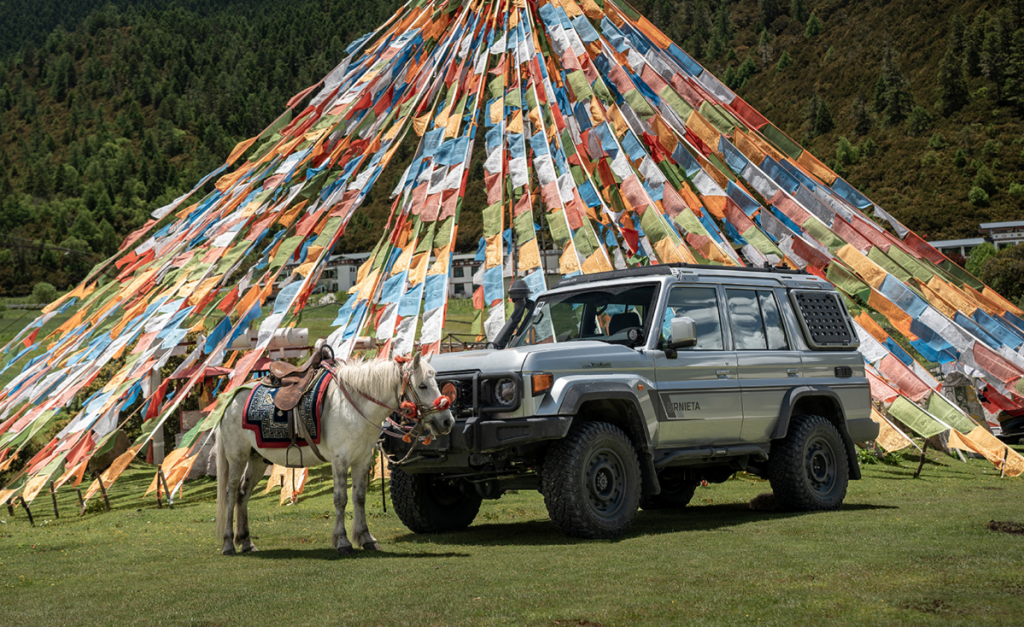
Its return with the smaller, cheaper, and retro-styled J250 generation proved the nameplate’s demand was never gone — it was only unserved.
Why Sales Exploded
Three factors drove the rebound. First, the starting price dropped significantly.
The final J200 Land Cruiser sold for over $85,000 in the US. The returning J250 launched at $56,450 — a reduction of nearly $30,000 — making it competitive with the Jeep Wrangler and Ford Bronco rather than positioning it against European luxury SUVs.
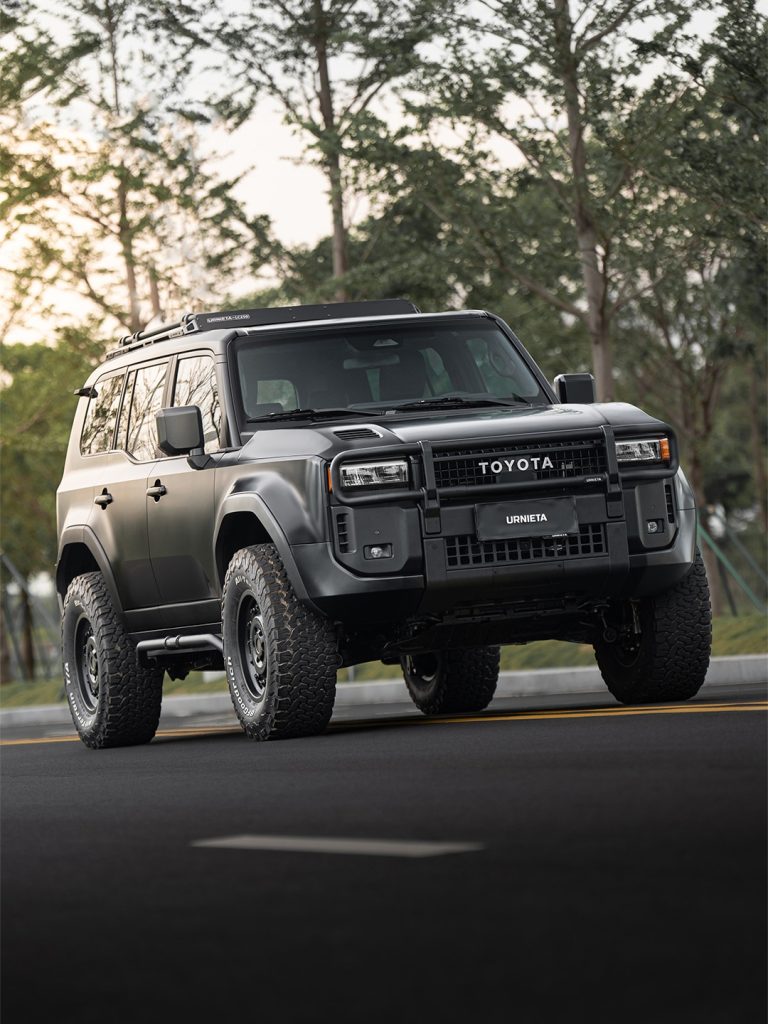
Second, the retro design connected with buyers. The 1958 trim’s round headlights and heritage grille generated strong media coverage and social media interest, drawing in buyers who had never previously considered a Land Cruiser.
Third, the hybrid powertrain resolved a long-standing criticism of the nameplate. The i-FORCE MAX system produces 326 horsepower and 465 lb-ft of torque while achieving 23 mpg combined — a dramatic improvement over the V8-powered predecessors that routinely returned mid-teen fuel economy figures.
Pricing Strategy
Toyota kept the 2026 model year price increase minimal — $500 on the 1958 trim to $57,200 and $575 on the standard Land Cruiser trim to $62,045.
The restrained approach is deliberate. Autoblog reported in September 2025 that Toyota was aware of the risk that a sharp price increase could cool momentum on a model only in its second year. The strategy appears to be working.

Edmunds data shows the 2026 Land Cruiser spending an average of only 11 to 12 days on dealer lots before selling, and buyers are paying approximately 3 percent below sticker — a modest discount that indicates strong but not frenzied demand.
Promotional financing rates as low as 4.99 percent for up to 72 months have also been offered, further reducing the cost of entry.
Market Position
The Land Cruiser’s US return has confirmed a gap in the market that Toyota itself had vacated.
The combination of body-on-frame construction, full-time four-wheel drive, locking differentials, Crawl Control, Multi-Terrain Select, and a hybrid powertrain in a sub-$60,000 package has no direct equivalent from a Japanese manufacturer in the US.
Toyota’s broader TNGA-F truck platform — shared with the Tacoma, 4Runner, Tundra, and Sequoia — gives the Land Cruiser access to a mature engineering base, shared supplier relationships, and a large community of owners and enthusiasts familiar with the platform’s characteristics.
Toyota has also expanded the Land Cruiser 250 range in Europe for spring 2026, adding two new top-level grades — the VX and VX-L — targeting off-road performance and comfort buyers respectively, signaling continued global investment in the platform.
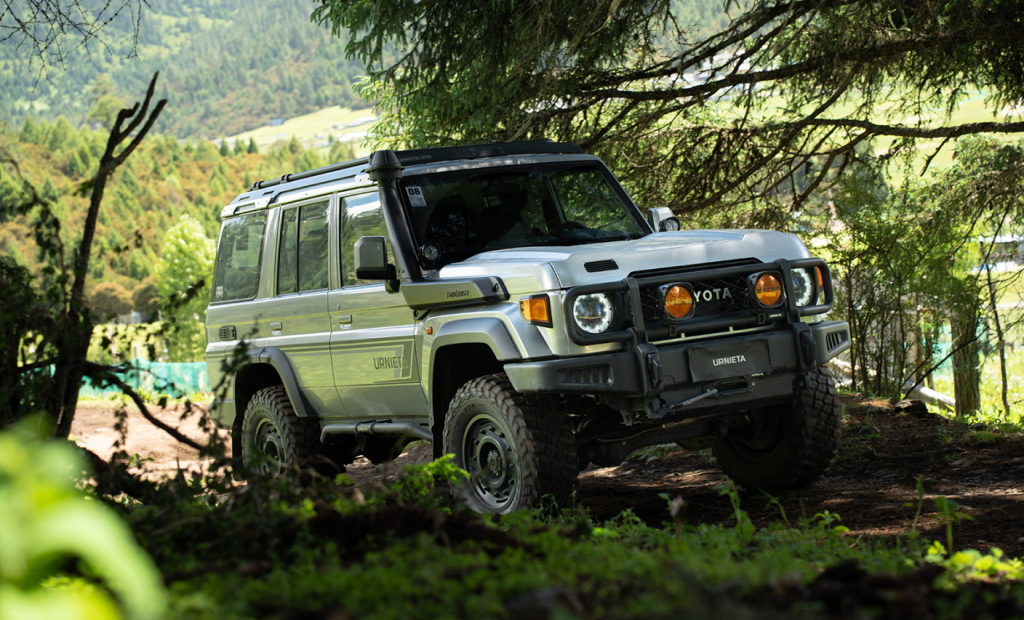
What It Means for Parts
A 690 percent sales increase in one year means the US Land Cruiser owner base expanded by roughly eight times in 12 months. Every one of those new owners is a potential aftermarket customer.
Historically, Land Cruiser owners modify their vehicles at high rates — roof racks, bumper systems, lift kits, skid plates, lighting, and recovery gear are among the most purchased categories. The J250 platform’s shared architecture with the Tacoma and 4Runner means aftermarket brands have a larger combined market to develop for.
Brands that established compatible product lines early in the J250’s lifecycle are positioned to benefit directly from the volume surge still working its way through the ownership base in 2025 and 2026.